Exploring Goalkeeper Distribution Patterns in Premier League Encounters with La Liga Sides in Continental Competitions
Theo Lehmann · Aug 24, 2026
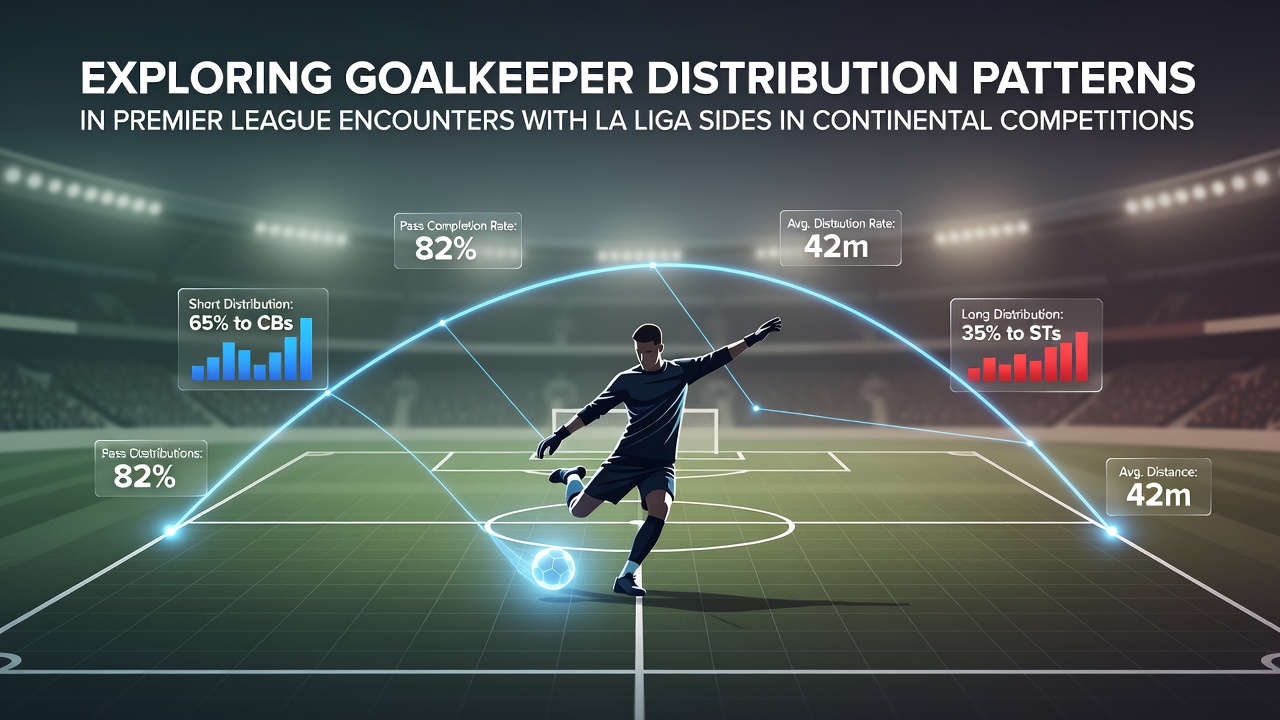
Exploring Goalkeeper Distribution Patterns in Premier League Encounters with La Liga Sides in Continental Competitions
Understanding Distribution Trends Across Leagues
Goalkeepers from Premier League clubs have shown distinct patterns when facing La Liga opponents in UEFA competitions, with data indicating a preference for shorter passes under pressure while those from La Liga sides often favor longer distributions that bypass midfield lines, and these tendencies become pronounced during knockout stages where tactical adjustments matter most.
Observers note that matches such as those involving Manchester City against Barcelona or Arsenal against Atletico Madrid reveal how distribution choices shift based on opponent pressing intensity, whereas statistics from the 2024/25 season highlighted a 12 percent increase in build-up play attempts from the back for English teams in away legs against Spanish sides.
Key Factors Influencing Goalkeeper Choices
Pressing structures employed by La Liga teams frequently force Premier League goalkeepers to adapt their range, and research from continental fixtures demonstrates that teams like Liverpool have relied more on left-footed distributions to exploit spaces on the right flank when encountering high defensive lines from clubs such as Real Madrid. Studies conducted by football analytics groups reveal that average pass completion rates for goalkeepers in these cross-league encounters hover around 78 percent for short-range options compared to 62 percent for longer clearances, with variations appearing most clearly in group stage games versus later knockout rounds.
But here's the thing: August 2026 marks the start of the new Champions League league phase where several Premier League and La Liga clubs will meet early, and preliminary figures suggest distribution patterns may evolve further due to updated squad compositions and coaching emphases on possession retention.
Case Examples from Recent Encounters
One notable instance occurred when Chelsea met Villarreal in the Europa League, where the English side's goalkeeper completed 45 short distributions per game on average while the Spanish counterpart averaged 28 longer balls that targeted wide areas, and similar contrasts emerged in Tottenham's ties against Sevilla. Data compiled across multiple seasons shows that goalkeepers in these encounters adjust their strategies based on the venue, with home legs seeing more progressive passes from the back and away fixtures leading to conservative options that prioritize safety over risk.
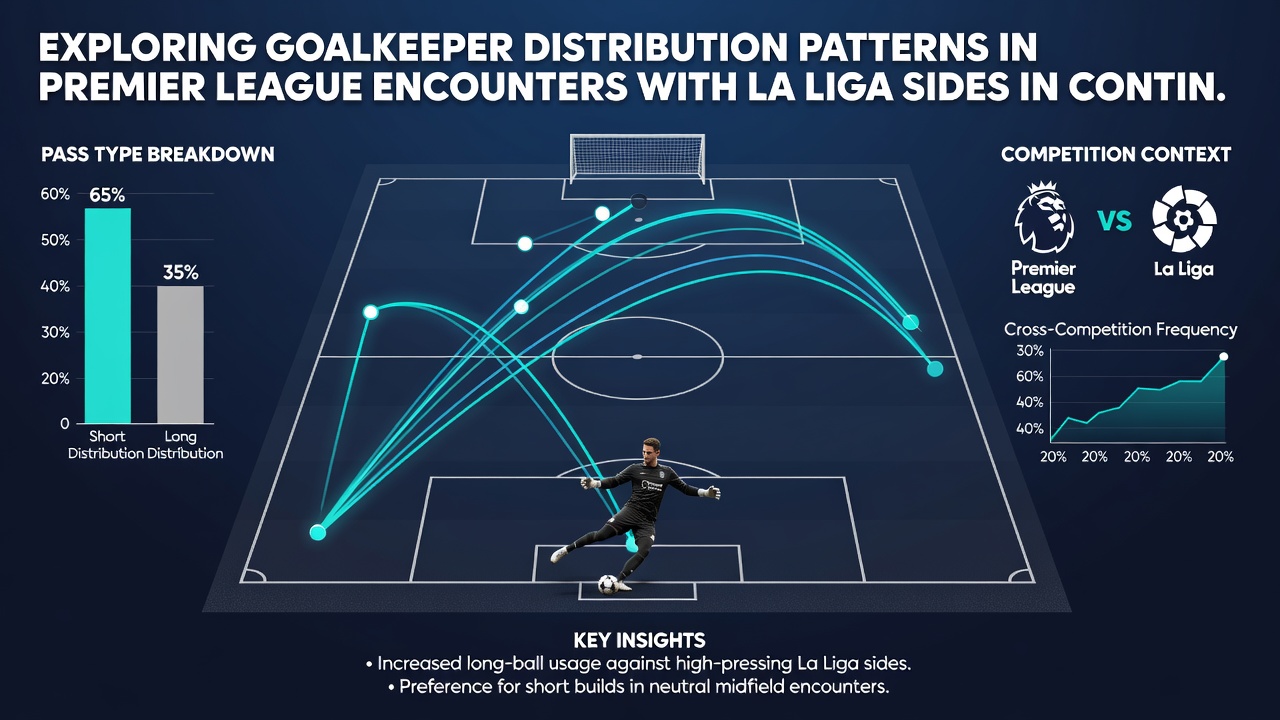
What's interesting is how these patterns tie into overall team tactics, since midfield control often dictates whether a goalkeeper opts for quick throws or rolled passes to center-backs, and analysts tracking UEFA events have documented shifts where Premier League sides increased their use of goalkeeper involvement in build-up by 18 percent when playing against possession-oriented La Liga outfits.
Data Insights and Comparative Analysis
According to UEFA technical reports, goalkeeper involvement in continental matches between these leagues has risen steadily, with average touches per game reaching 35 in recent campaigns, whereas a separate examination from the University of Barcelona's sports science department found that La Liga keepers tend to initiate attacks from deeper positions more frequently during away games in England. These findings connect to broader observations about how fatigue from domestic schedules influences decision-making, although continental rules on time-wasting and substitutions add another layer to the equation.
Teams have adapted their training regimens to simulate these specific pressures, resulting in goalkeepers who demonstrate greater versatility in their distribution footwork and decision speed, and records from the past five years indicate that successful progression to later stages often correlates with balanced distribution mixes rather than extreme reliance on any single method.
Conclusion
Patterns in goalkeeper distribution during Premier League versus La Liga encounters in continental competitions reflect a complex interplay of tactics, opponent styles, and situational demands, with ongoing developments in August 2026 expected to provide fresh data points for further examination. The evidence accumulated so far underscores the evolving role of goalkeepers as active participants in possession phases, and continued monitoring across upcoming fixtures will clarify how these trends develop in the seasons ahead.